
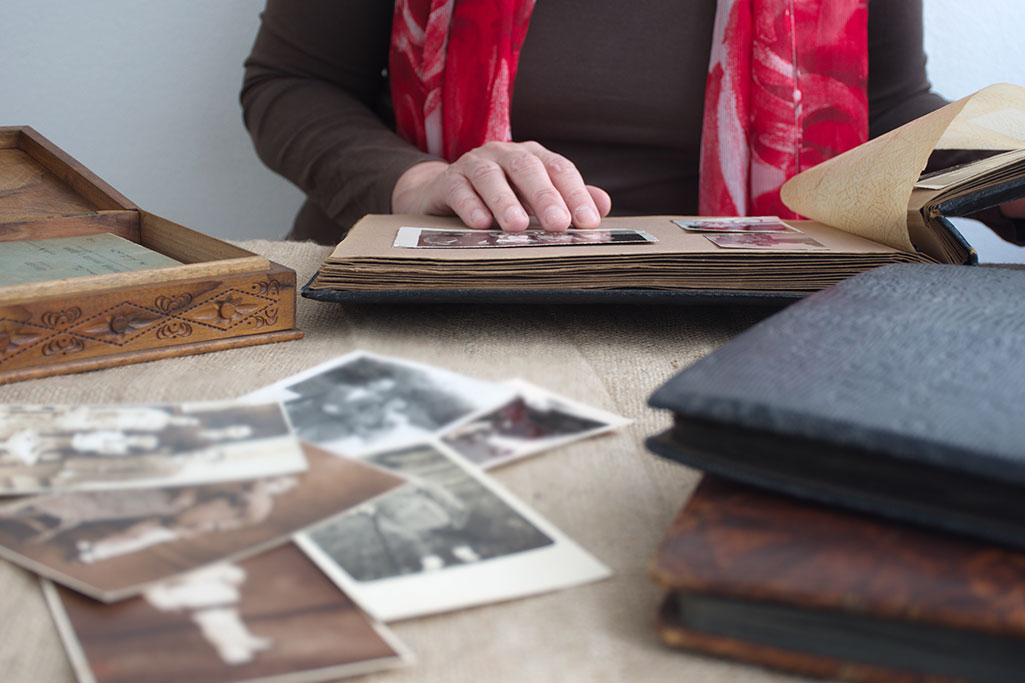
A home can hold decades of useful belongings, family memories, and objects kept because deciding what to do with them feels difficult. Sorting everything rarely becomes easier during a move or after a death, when time is limited and emotions are already strained.
Swedish death cleaning offers a calmer approach for the owner, as they gradually review what should remain, what can be passed on, and what no longer needs space in the home.
The practice comes from Sweden, but its purpose is widely relatable: making thoughtful decisions now so loved ones are not left to clear an entire household later. There is no required age, deadline, or expectation of an empty home.
For local residents, accessing gentle downsizing support in Greater Vancouver makes it easier to navigate the practical steps at a manageable pac
What Is Swedish Death Cleaning?
The Swedish word döstädning combines dö, meaning death, and städning, meaning cleaning. In practical terms, it means sorting possessions gradually before old age or death so family members are not left to manage every object during grief.
A regular declutter usually focuses on usefulness, space, or personal preference. The KonMari method asks whether an item sparks joy for its owner. Death cleaning asks a different question: would someone be happy to receive this, or would keeping it leave them with another object and another decision to manage?
The practice can take place in a comfortable, well-loved home. A person may have no intention of moving and still prefer fewer duplicate dishes, unused linens, old files, and boxes nobody has opened in years. Thoughtful sorting can support life in a home someone already enjoys by making storage easier to use and important belongings easier to find.
Where Did the Idea Come From?
Swedish artist and author Margareta Magnusson introduced döstädning to a broad English-speaking audience through The Gentle Art of Swedish Death Cleaning. Scribner published the English-language edition on January 2, 2018, after the idea had started attracting international press attention in late 2017.
Magnusson drew on years of clearing relatives’ homes, moving between countries, raising five children, and reviewing her own possessions. She recommended beginning with belongings that are easier to assess and leaving photographs, letters, and other sentimental pieces until later.
Peacock brought the concept to television in April 2023 through The Gentle Art of Swedish Death Cleaning series. Narrated and executive produced by Amy Poehler, the programme follows three Swedish specialists helping people sort their homes and discuss what they want to leave behind. Peacock currently lists one season.
Magnusson died on March 12, 2026, at the age of 91. Her publisher notes that she followed her own advice and did not leave a mountain of belongings for her children to clear. Her work remains useful because it treats sorting as an ongoing part of life rather than a task reserved for a crisis.
Why Possessions Can Be Difficult to Release
Objects often carry information that is invisible to anyone outside the household. A marked recipe book may preserve a parent’s handwriting, while a tool can represent someone’s working life or a photograph can connect several generations.
UBC research into possessions and later-life transitions shows that everyday objects can hold connections to identity, relationships, place, and family history. Sorting them can therefore feel far more personal than a checklist suggests.
A slower process gives the owner time to separate the memory from the physical object. One labelled photograph may preserve more family history than several boxes of unidentified prints. A handwritten note attached to a piece of jewellery may also give it meaning that an appraisal alone could never capture.
How to Start Döstädning Gently
A workable plan begins with manageable decisions and leaves the hardest categories until later. Contained sessions are easier to repeat than attempts to clear an entire room in one day.
Tell Someone You Are Starting
Let one trusted relative or friend know what you are doing. Family members then have an opportunity to mention belongings they value, while the owner retains control over what will be kept, sold, donated, or given away.
A useful opening could be: “I am sorting a few things over time. Is there anything here that carries a special memory for you?”
The conversation does not need to cover the entire house. Its purpose is simply to let people know the process has started and invite them to speak up about a small number of meaningful items.
Start With Low-Emotion Categories
Clothing, kitchen duplicates, spare linens, expired pantry goods, old toiletries, and unused garage supplies usually require less emotional effort than photographs or heirlooms.
Choose one shelf, drawer, cupboard, or clothing rail. Emptying a whole room can create a larger problem than the one you intended to solve, particularly once unsorted belongings begin spreading into other areas of the home.
Early sessions should feel manageable enough to repeat. A completed linen cupboard is more useful than three half-finished rooms.
Use a Maybe Box
Set aside one clearly labelled box for difficult decisions, then review it again in three to six months. Time often reveals whether an object still has an active place in life or remains only through habit.
The box should stay limited. Several rooms filled with undecided items simply recreate the original problem, while one contained box gives uncertainty a temporary place without forcing a decision.
Leave Sentimental Items Until Later
Photographs, letters, jewellery, family records, children’s artwork, and inherited objects deserve a slower pace.
Add names and dates to important photographs, write short notes about heirlooms, and keep a limited treasure box for highly personal pieces. Selected papers and photographs can also be scanned, provided digital copies are properly named and stored.
The aim is not to remove every sentimental object. The aim is to keep the pieces that best preserve the person, event, or story behind them.
Keep the Timeline Open
Thirty minutes may be enough for one session. A household collected over several decades does not need to be reviewed in a weekend.
Some people work through a category every month, while others return to the process before birthdays, holidays, or family visits. Progress still counts even when it happens slowly.
A Gentle Swedish Death Cleaning Checklist
The following order offers a practical starting structure rather than a strict schedule. Personal circumstances may require a different pace, especially where a move, sale, or property deadline affects timing.
| Category | Stage | Practical Approach |
| Clothes, linens, kitchen duplicates, and expired items | Start | Keep what is used. Donate clean, wearable goods and dispose of expired products appropriately. |
| Books, media, tools, garage and shed contents | Early | Offer specific pieces to family, then donate, recycle, or dispose of suitable items. |
| Furniture and large household items | Early to middle | Consider current needs and any future home. Name an intended recipient rather than assuming relatives will want an item. |
| Paperwork and financial records | Middle | Sort carefully and confirm retention requirements with a BC lawyer, notary, or accountant. General organising information is not legal or tax advice. |
| Digital accounts, photographs, and passwords | Middle | Record what exists and store access details securely rather than circulating passwords in an ordinary document. |
| Collectibles, art, jewellery, and antiques | Middle to late | Set potentially valuable pieces aside. Christine does not appraise items but can refer to independent appraisers or auction houses. |
| Photographs, letters, cards, and heirlooms | Last | Label key people and dates, select favourites, and scan suitable items. |
| The maybe box | Ongoing | Revisit undecided belongings every few months without forcing a choice. |
For an Adult Child Hoping a Parent Will Begin
A respectful conversation works better as an offer from the company than an announcement about what must be done. The parent should set the pace and remain responsible for decisions about the home.
Begin With a Shared Task
Offer help with one uncomplicated category, such as extra towels, duplicate baking dishes, or a shelf of books. A modest task keeps the discussion practical without turning the entire house into a family project.
The first session can also focus on recording information rather than removing anything. Labelling old photographs or writing down the story behind a family object may feel easier than discussing whether it should stay.
Choose Language Carefully
Comments centred on incapacity, decline, or future burden can feel accusatory. Focus instead on making the home easier to use, preserving family stories, and passing meaningful pieces to people who will appreciate them.
Clearing belongings while a parent is away should also be avoided. The action can damage trust and remove them from decisions about their own home.
Families already clearing a property after a death face a different situation.
Having clear advice on clearing out a deceased parent’s home in BC makes the heavy decisions easier to deal with
Handling Sentimental or Valuable Items
Some belongings carry family meaning, financial value, or both, so they should not all be handled in the same way. Family stories can be recorded now, while valuable-looking objects deserve an independent assessment before any sale or donation decision.
Give Meaningful Belongings Personally
Passing on jewellery, art, tools, books, or furniture during life gives the recipient a chance to hear the history directly from the owner.
A short note with names, dates, or provenance can travel with the gift. The explanation may eventually matter as much as the item itself.
Giving possessions gradually also avoids leaving relatives to divide everything at once. A recipient can accept, decline, or discuss an item without the pressure that often follows a death.
Pause Before Deciding What Something Is Worth
Antiques, collectibles, jewellery, signed art, and unusual furniture should not be priced from memory, appearance, or an online search alone.
Christine Caroline Estate Services does not appraise or value items. Christine can connect families with trusted, independent appraisers and auction houses before helping with sorting and the physical work that follows.
Getting Hands-On Help in Greater Vancouver
Personal decisions are only one part of downsizing. Donations, recycling, lifting, transport, and removal still need to be coordinated after each category has been reviewed.
How Christine Caroline Can Help
Christine and her team support households with sorting, donation routing, recycling, removal, and full estate clearout services.
Family members do not need to be present throughout the work once the owner’s wishes and instructions are established. Support can begin with one difficult area or extend across a complete household.
Christine’s team knows the ins and outs of local downsizing, and feedback from past clients speaks to how much easier they make things
Allow Time for Booking
Christine typically books about two to three weeks ahead. Larger projects may require two to three months of lead time.
Early contact provides enough room to discuss priorities, identify any appraisal needs, and develop a practical schedule without requiring immediate decisions.
Find Considerate Support with Christine Caroline
Taking a steady pace leaves room for memories, family conversations, and careful choices. Beyond easing the physical workload for whoever is doing the sorting, it gives families time to figure out what really matters, what should be kept, and what can be let go.
For practical company or hands-on support, get in touch with Christine Caroline to arrange a free, no-pressure conversation. You can also call (778) 891-4567 to discuss the home, preferred pace, and areas where help would be useful.
FAQs
What Does Döstädning Mean?
Döstädning is the gradual Swedish practice of sorting belongings before old age or death so relatives are not left with an entire household to manage.
How Is It Different From Ordinary Decluttering?
Ordinary decluttering focuses mainly on the owner’s space, needs, and preferences. Döstädning also considers the people who may later receive, sell, donate, or sort each belonging.
Where Should Someone Start?
Clothes, duplicate kitchen items, linens, books, tools, and garage contents offer a practical starting point. Photographs, letters, jewellery, and heirlooms can wait until the process feels more familiar.
Can Christine Caroline Help With Valuable Items?
Christine does not appraise valuables. She can refer independent appraisers or auction houses, then assist with sorting, donation, recycling, removal, and clearout work.