
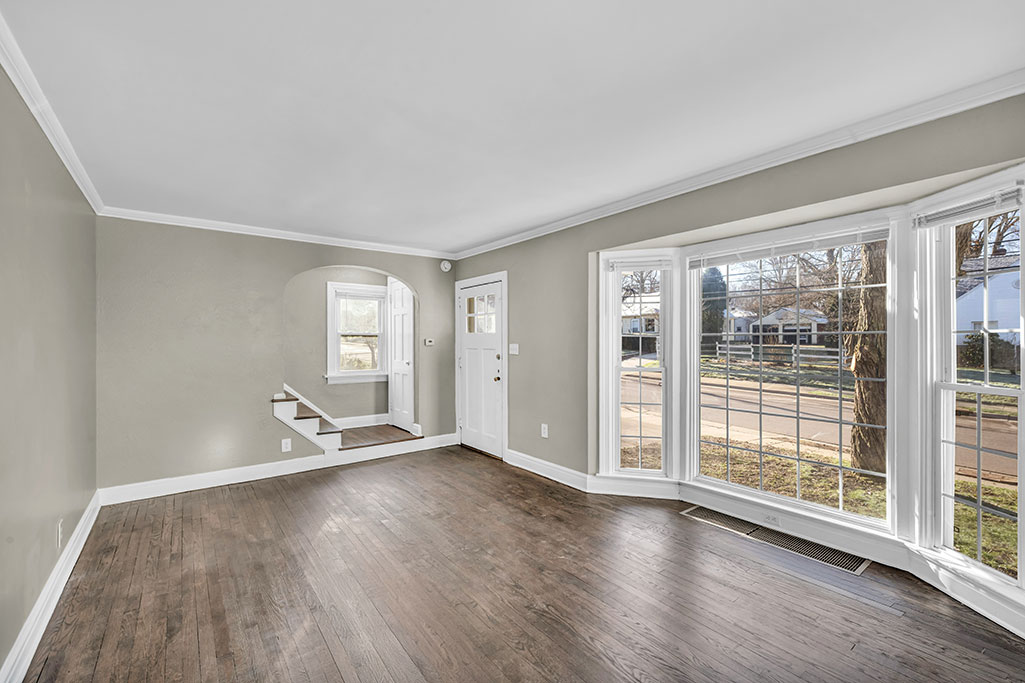
The executor role rarely lands at a good moment. You are grieving, and now there is a house.
Then someone says the word “probate,” and the whole thing seems to stop.
Here is the short version. In British Columbia, a grant of probate commonly takes a few weeks to a few months. That clock starts once the application reaches the registry. You rarely have to wait it out before dealing with the home.
The contents and the building follow different rules. Household belongings can often be secured, sorted and cleared fairly early. The house itself generally cannot be sold or transferred until the grant is issued.
This article is general information about the BC probate process, not legal, tax or financial advice. Every estate is different. Confirm the specifics of your situation with a BC estate lawyer or notary.
What probate actually is in BC
Probate is the BC Supreme Court process that confirms a will is valid. It also confirms the executor’s authority to act.
The document that comes out the other end is the grant of probate. Where there is no will, the court issues a grant of administration instead. Both sit under the Wills, Estates and Succession Act, usually called WESA.
The process looks much the same either way. Without a will, WESA decides who inherits and who receives notice.
Not every estate needs it. Probate is commonly required when the deceased owned real estate in their sole name. Banks also ask for it once estate assets pass their internal limits. The Province of BC notes that each sets its own threshold.
The BC probate timeline, stage by stage
Probate is a sequence of steps rather than one long queue. Finding the will, valuing the estate and notifying everyone entitled all happen before the court sees a form. Each step carries its own wait, and only the last one belongs to the registry.
The first days and weeks
Register the death and order several death certificates. Find the original will. Secure the home, check the insurance, and deal with anything perishable. Redirect the mail.
Protecting the estate’s property is one of an executor’s first duties. Nobody needs a court document to lock a door or empty a fridge.
Insurance, and the costs that keep running
That insurance check deserves more than a line on a list. Vacancy requirements vary by insurer and policy, but many Canadian home policies restrict coverage once a house sits empty for around 30 days. An estate home usually sits empty for longer than that. BrokerLink walks through a case where a family lost a storm-damage claim after failing to tell their insurer.
Call the insurer early and say the house is now an estate property. Ask what the policy needs to stay valid. That might mean a vacancy permit, a weekly check on the house, or the heat left on through winter.
The other carrying costs keep running too. Mortgage payments, property tax, utilities and insurance all continue while the grant is pending. That is the practical reason to start on the contents early rather than wait.
The Form P1 notice and the 21-day wait
The executor first works out who is entitled to notice. That means beneficiaries, the spouse and children, and anyone who would inherit without a will.
Each of them receives a Notice of Proposed Application, known as Form P1, with a copy of the will. People’s Law School confirms the next step: wait at least 21 days after delivering the last notice. Only then can you file.
Filing and the registry wait
Now the application goes to a BC Supreme Court probate registry. Six to eight weeks is a common turnaround for receiving the grant of probate itself. Some applications clear in a couple of weeks, and others take several months. Note that obtaining the grant is just one step in the broader timeline; settling an entire estate often takes 8 to 12 months or longer.
The registry you file at makes a difference, and so does your paperwork. Most long delays trace back to errors in the forms. A missing signature, an asset left off the statement, a beneficiary nobody served.
The registry sends the application back, and the clock restarts on that piece. This is the stage where paying a lawyer or notary usually saves more time than it costs.
The grant, then the 210-day rule
The grant of probate is the milestone the whole process points at. With it, the executor can transfer or sell the house and collect assets held by the banks.
One more clock starts there. Under WESA, an executor generally should not distribute the estate to beneficiaries until 210 days after the grant. That window gives anyone with a claim time to bring it forward. Distributing sooner takes written consent from everyone entitled, or a court order.
The BC probate timeline at a glance
Durations vary by estate and by registry. Figures below are current as of August 2026.
| Stage | Typical duration | What the family can usually do |
| First days and weeks | Ongoing from the date of death | Register the death, find the will, secure and insure the home, safeguard valuables, redirect mail |
| Prepare the application, deliver Form P1 | Days to a few weeks | Value the assets, notify everyone entitled, begin sorting the contents |
| Mandatory 21-day notice period | At least 21 days after the last notice | Wait to file. Sorting and clearing of everyday belongings can carry on |
| Application filed with the registry | Often 6–8 weeks; sometimes ~2 weeks, sometimes several months | Registry reviews the file. Getting the home market-ready can proceed |
| Grant of probate issued | The milestone the rest depends on | Transfer or sell the house, collect assets held by the banks |
| After the grant | Generally 210 days before distributing | Settle debts and sell assets while the claim window runs |
When can you start clearing the home?
Executors get stuck here because “the estate” sounds like a single thing. In practice, the law treats the contents and the building separately.
Personal property covers the household contents: furniture, clothing, books, tools, the boxes in the garage. Securing, sorting and clearing everyday belongings can usually begin well before the grant arrives.
Real property is the house and the land under it. The land title office requires a court-certified copy of the grant before title can transfer. Financial institutions holding estate accounts generally want the same document.
That gap is why so many families sit idle for months when they did not have to. The physical work on the contents and the legal work on the house can run side by side.
Higher-value pieces sit between the two. Set them aside and get them appraised rather than moving them out. Ask your lawyer or notary before anything of real value leaves the home.
You can often list the house before the grant. That takes a “subject to probate” clause and a longer completion window. Whether it suits your estate is a conversation for your lawyer or notary and your realtor.
A quick reality check
Usually fine to start before the grant:
- Securing and insuring the home, and redirecting the mail
- Clearing out perishables
- Sorting and organising the contents room by room
- Setting aside pieces that may need an appraisal
- Donating, recycling or removing unwanted low-value household goods
- Getting the home clean and ready for market
Usually better to wait for the grant, or for legal sign-off:
- Completing the sale or transfer of the house
- Releasing significant estate funds held by banks or other institutions
- Distributing belongings or money to beneficiaries, given the 210-day rule
When you are unsure, ask before acting. A short call with the lawyer or notary costs far less than an early decision you cannot reverse.
What probate costs in BC
The government probate fee comes from the Probate Fee Act. It scales with the gross value of the estate. Figures below are current as of August 2026.
| Gross value of the estate | Approximate probate fee |
| $25,000 or less | No probate fee |
| The portion from $25,001 to $50,000 | About $6 per $1,000, so roughly $150 across the band |
| The portion above $50,000 | About $14 per $1,000 |
| Rough rule of thumb | Near 1.4% of a larger estate’s value, plus a $200 court filing fee on estates over $25,000 |
This fee goes to the government and sits apart from what a lawyer or notary charges. It is general context only, not tax, legal or financial advice. Confirm current figures with a professional before you budget.
How we help while probate is underway
Christine Caroline Estate Services Ltd. has spent more than 15 years clearing homes across Greater Vancouver, and the team holds a BBB listing. We handle clearouts and liquidation, never probate, legal or tax work. While the grant is pending, our estate clearout services in Greater Vancouver can move the physical part forward. The goal is a home that is clean and market-ready the day the grant lands.
We do not appraise items or assign values to them. Where a piece may carry real value, we refer families to trusted appraisers and auction houses. The executor gets credible numbers for the estate’s asset list.
You do not need to be there, and most families prefer not to be. Our support for out-of-town executors includes photo and video updates, and estate property liquidation works the same way. We book two to three weeks ahead, longer for bigger projects, so scheduling can follow a pending grant.
Want the hands-on version? Our step-by-step guide to clearing a deceased parent’s home in BC walks through it room by room.
Frequently asked questions
How long does probate take in BC?
There is a mandatory 21-day wait after the Form P1 notice goes out. Once filed, the registry commonly takes six to eight weeks, sometimes two, sometimes several months. Settling an estate in full often runs 8 to 12 months or longer. Current as of August 2026.
Can you start clearing a house before probate is granted in BC?
Generally yes, for the household contents. Protecting the estate’s property is an executor’s early duty. Selling higher-value items and distributing to beneficiaries are more constrained. Confirm your situation with a BC estate lawyer or notary.
Can you sell a house before probate is granted in BC?
You can often list a home before the grant. That takes a “subject to probate” clause and a longer completion window. The sale generally cannot be completed until the grant is issued. The land title office needs it to transfer title. Ask your lawyer or notary and your realtor.
What is the 21-day waiting period for probate in BC?
Before filing, the executor delivers Form P1, the Notice of Proposed Application, with a copy of the will. It goes to beneficiaries, the spouse and children, and anyone who would inherit without a will. You then wait at least 21 days after the last delivery, giving anyone who objects time to respond.
How much does probate cost in BC?
Under the Probate Fee Act, there is no fee on estates of $25,000 or less. Above that, it runs about $6 per $1,000 on the $25,000 to $50,000 band, and $14 per $1,000 above $50,000. A larger estate lands near 1.4% of gross value, plus a $200 court filing fee. It is a government fee, separate from lawyer or notary charges, and not legal or tax advice.
Do I need to be there while the home is cleared?
No. We do not require family to be present, and we usually prefer they are not. It can become emotional work. The clearout can run while probate is underway, with photos and video keeping you updated. You can read client testimonials from families who did it that way.
Talk to Christine Caroline Estate Services
You do not have to wait out the whole probate process to make real progress. The contents can usually get moving early, and we can schedule around a pending grant.
One more time, gently: this is general information, not legal advice. A BC estate lawyer or notary handles the legal steps.
Book a free, no-pressure consultation to talk through your situation and plan the clearout around your probate timeline. Prefer to talk first? Call Christine Caroline Estate Services at (778) 891-4567.