
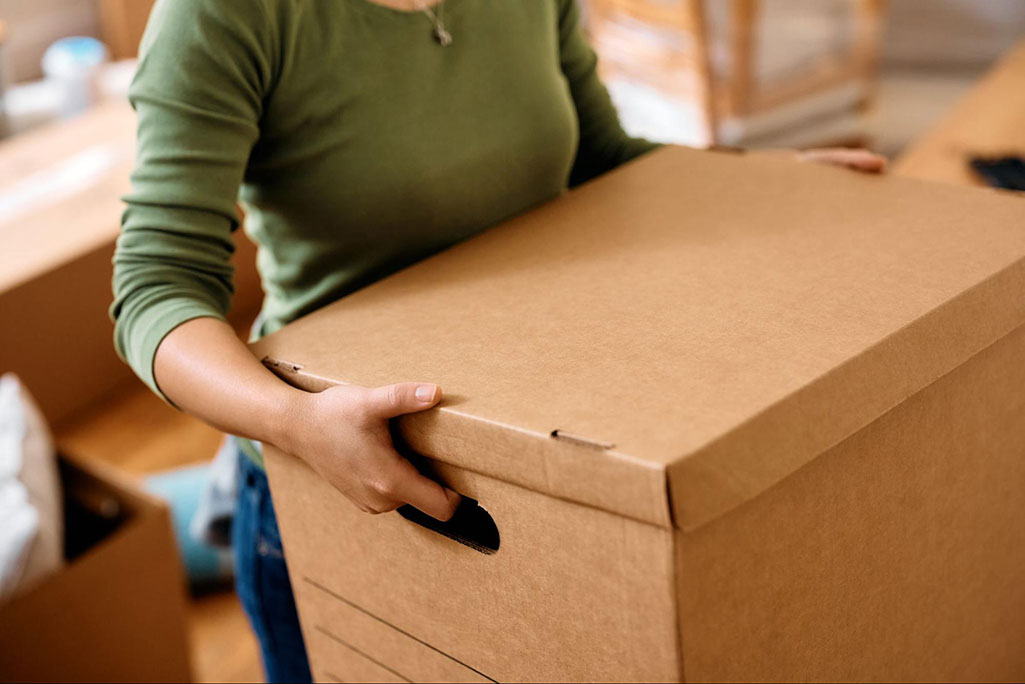
Every object in a parent’s home can feel like a separate decision. A mug, coat, drawer of receipts, or photograph can all ask for more emotional energy than you have available. Feeling worn out is not a sign of laziness or a lack of love. Grief and hundreds of decisions have arrived at the same time.
For anyone wondering what to do with a parent’s belongings after death, start with one truth: letting go of an object is not letting go of the person. The memory lives with the people who remember, not only in the item itself. You do not have to settle every decision today. Estate clearout services can carry out decisions once your family is ready.
Practical steps around securing the home and locating estate documents are covered in this parent-home checklist. The work here is deciding where belongings should go.
How To Sort A Parent’s Belongings After Death
Sorting belongings after a death becomes easier once every item has a destination. Set up six labelled areas: Keep, Pass to Family, Sell, Donate, Recycle, and Dispose.
Use the six areas as you move through the home:
- Focus on one small area or category at a time instead of tackling whole rooms.
- Start with easy items like pantry goods, duplicate kitchenware, worn linens, or papers you can photograph.
- Sort every item into one of the six areas, including setting aside items to Pass to Family.
- Save sentimental items like jewelry, photos, letters, and bedroom furniture for a later time.
Taking it step by step keeps emotional fatigue at bay, turning a heavy responsibility into a manageable, structured process.
What To Keep After A Parent Dies
People often worry about how to decide what to keep when a parent dies. They feel that choosing a few keepsakes means the rest mattered less. Give each sibling one labelled box for personal, genuinely meaningful objects. A limited space helps you choose what you want to live with.
Photograph meaningful objects that will not fit into your home. Add a note about who used the item or why it mattered. A shared album preserves the story without making one person responsible for storing it. Memory boxes after a loved one passes should support your healing rather than feel like a burden.
How To Divide A Deceased Parent’s Sentimental Items Among Siblings
Dividing sentimental items among siblings can bring out different memories of the same home. One person may care about a set of dishes, while another wants the old armchair. Different attachments are normal.
Create a shared wish list before belongings leave the property. Family members can take turns choosing, use an agreed order, or draw names. Set disputed items aside until everyone has time to think. A neutral team can handle practical work but should not settle family decisions.
How To Check A Parent’s Belongings Before Selling Or Donating
Before selling, donating, recycling, or disposing of an item, pause for a second opinion on art, jewellery, coins, signed pieces, sterling flatware, rare books, vintage furniture, and collections.
Christine Caroline does not appraise items. Potentially valuable belongings are referred to independent appraisers or auction houses before a decision is final. Estate property liquidation can coordinate an agreed sale.
How To Keep, Sell, Donate, Recycle, Or Dispose Of A Parent’s Belongings
Once your family has decided where an item belongs, arrange the next step. The table shows the six paths and practical support for each one
| Decision | What It Means | What Happens Next | Local Support |
| Keep | You or a relative will use or display the item. | Pack it for collection, delivery, or a later move. | Can be packed and moved during a full clearout. |
| Pass to Family | A specific person wants it. | Record the agreement and arrange a collection. | Remaining items are removed after family choices are complete. |
| Sell | The item has resale or auction potential. | Obtain an independent opinion where appropriate, then plan the sale. | Estate property liquidation can coordinate the sale |
| Donate | The item is clean, safe, and useful to another household or charity. | Confirm acceptance and book pickup or drop-off. | Donation arrangements can be coordinated during a clearout. |
| Recycle | The item cannot be reused, sold, or donated, but it has an appropriate recycling stream. | Route it to the correct depot or collection program for materials such as electronics, appliances, mattresses, or paint. | Items can be sorted for proper routing. |
| Dispose | This is the final option for an item with no suitable reuse, sale, donation, or recycling route. | Remove it through the appropriate facility. | Junk removal can handle responsible removal. |
Where To Donate Estate Furniture And Dispose Of Other Belongings In Greater Vancouver
Match each item to the right organisation, then confirm its current pickup rules before booking. Details below are current as of August 2026.
Where To Donate Furniture And Household Goods
Habitat for Humanity Greater Vancouver ReStore accepts saleable furniture, appliances, fixtures, and building materials, but not used mattresses, electronics, or clothing. HomeStart donations can accept furniture and household effects in Greater Vancouver. Helping Families donations accepts usable household goods and Lower Mainland pickup, subject to its current service area.
Where To Donate Clothing And Small Household Goods
Big Brothers pickup and Diabetes Canada offer pickup for clothing, books, and small household goods. Big Brothers does not accept furniture. Donation policies are not a judgement on your parent’s home or the item.
Where To Dispose Of Bulky Items And Recycle Electronics
Bulky items require city-specific planning. Vancouver directs non-reusable furniture, mattresses, and appliances to its Zero Waste Centre, transfer station, or landfill, with fees for some materials. Burnaby, Surrey, and Richmond have booked pickup programs. Electronics and small appliances can go to a Return-It depot, with more than 200 locations across BC. Confirm city rules before booking or leaving anything at the curb.
Questions Before Letting Go Of A Parent’s Belongings
Ask four simple questions before making a choice:
- Do I use this, or do I want to begin using it now?
- Would a photograph preserve the part that matters most?
- Is there a specific person who wants it, rather than a vague possibility?
- Could it be valuable enough to need an independent opinion?
The phrase death cleaning usually refers to a living person reducing their own belongings in advance. Letting go of a parent’s belongings guilt-free is different. It is a bereaved family deciding, at its own pace, what can still be useful, meaningful, or ready to leave the home.
How To Handle Difficult Belongings After A Parent’s Death
An undecided box is a valid choice. Place difficult items in one labelled area or short-term storage and revisit them after a few weeks or months. The first wave of grief rarely produces the clearest decisions.
Christine Caroline typically books two to three weeks ahead, with larger projects sometimes needing two to three months. Family presence is not required, so out-of-town executors can review photos and video updates while decisions are made. A booking date should support your timeline, not force it.
How Christine Caroline Helps After A Parent’s Death
No family needs to handle a lifetime of belongings in one exhausting push. A thoughtful process gives you room to keep what matters, offer useful things to others, and make decisions about the rest without treating the home as a problem to solve quickly.
Book a free, no-pressure consultation with Christine Caroline Estate Services to discuss the practical options, or save (778) 891-4567 for later. The team can help carry out the choices your family has made, at a pace that respects the home and the person who lived there.
Frequently Asked Questions
How Do I Decide What To Keep From A Parent’s Belongings After Death?
Start with items you will use, display, or pass to a specific person. A memory box and photographs can preserve sentimental meaning. What to keep after a parent’s death is personal, so decide slowly.
Is It Okay To Donate Or Dispose Of A Parent’s Belongings After Death?
Yes. Donation or responsible disposal does not erase the relationship. Choose donation for useful goods, recycling for proper materials, and disposal only after other paths are considered.
What Happens If Siblings Cannot Agree On A Parent’s Belongings?
Make a shared wish list, take turns choosing, and set disputed items aside. A pause can prevent a difficult moment from becoming permanently hurt. Agree before removal work begins.
Do I Have To Sort A Parent’s Belongings Myself After Death?
No. Your family makes the decisions, and Christine Caroline can carry out the agreed plan across Greater Vancouver, including for out-of-town or overseas families.
What Should I Do With Valuable Items In A Parent’s Estate?
Set it aside before it is sold, donated, or disposed of. Christine Caroline refers it to independent appraisers or auction houses and does not provide valuations.